When people think about Apple, Nike, or Airbnb, they do not remember only a logo. They remember a feeling, an expectation, and a promise. That is branding.
Branding is not a luxury for large companies. It is the system that makes your business recognizable, trustworthy, and consistent for the people discovering it for the first time.
What branding actually is
Branding is the process of building and managing how a brand is perceived. It includes visual identity, verbal identity, positioning, value proposition, and the experience people have before, during, and after a purchase.
In simple terms: branding is the combination of what you say, how you look, and how people remember you.
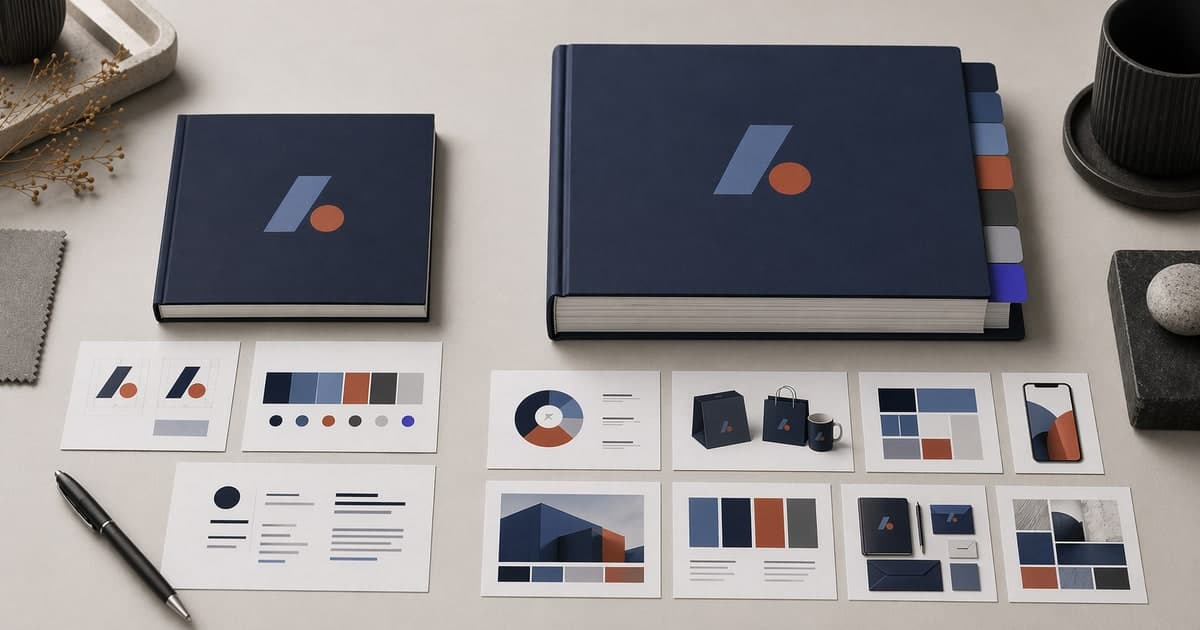
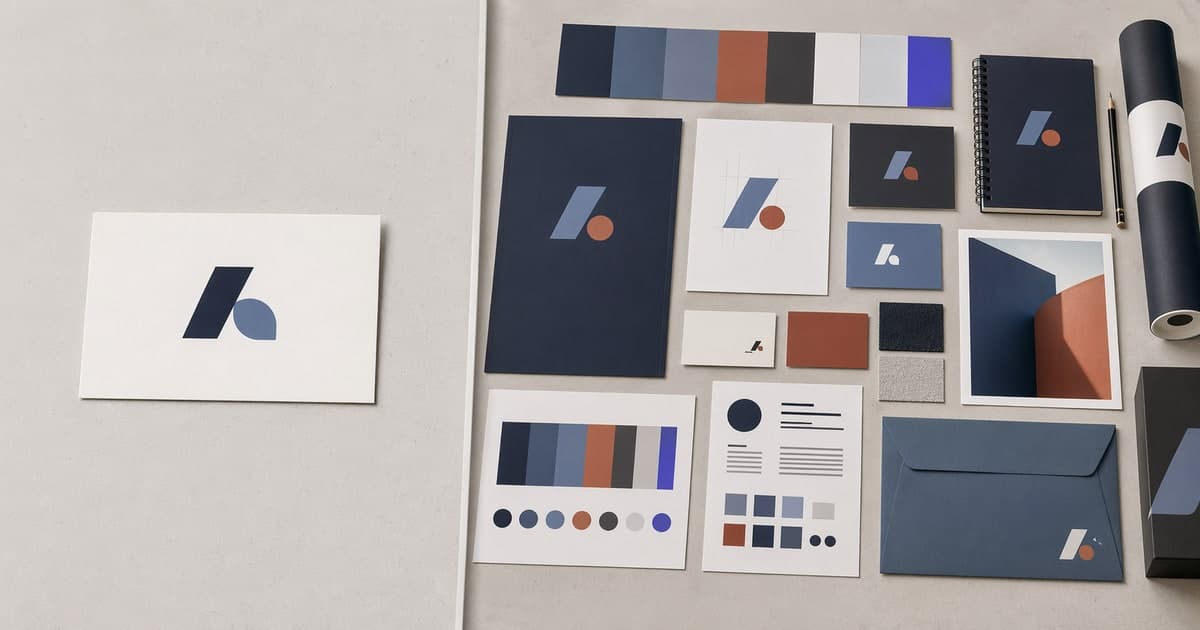
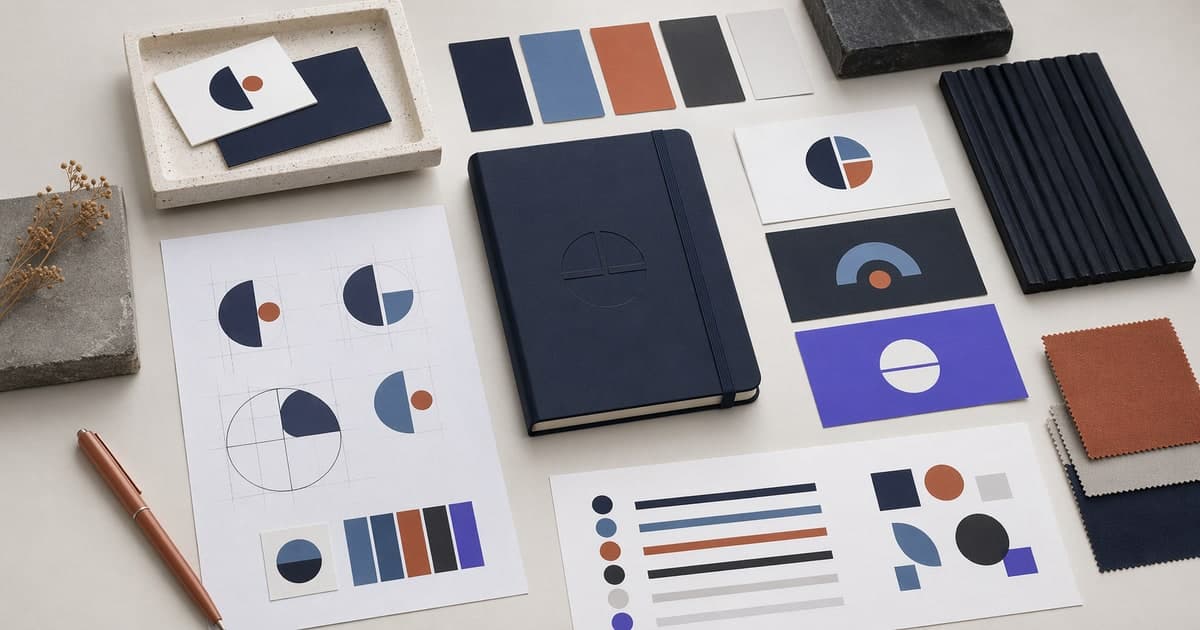
Branding is not just a logo
A logo is one piece of the system. Branding also includes:
- Color palette and typography
- Brand voice and tone
- Key messages and value proposition
- Visual rules for web, social, documents, and sales material
- The feeling of interacting with your company
If you only have a logo, you do not have a fully defined brand yet. You have a symbol.
Branding vs. marketing
This distinction prevents many mistakes:
- Branding: defines who you are
- Marketing: communicates that identity
Branding answers strategic questions: what you stand for, who you serve, and why your business is different. Marketing uses that definition to create campaigns, content, ads, and sales communication.
Without branding, marketing becomes noisy. Without marketing, branding stays invisible.
Why branding matters so much
1. It builds trust
Consistent brands feel more reliable. If your website, social channels, proposals, and visuals look like they belong to different companies, credibility drops.
2. It helps justify pricing
Branding does not only improve appearance. It changes perceived value. A clear, well-positioned, professional brand can defend its pricing more effectively than a generic alternative.
3. It reduces internal friction
When the brand is defined, teams make faster decisions. Design, content, sales, and product work from the same criteria. That saves time and avoids repeated debates.
4. It creates differentiation
In crowded markets, differentiation rarely comes only from features. It often comes from how clearly you explain what you do, how you present yourself, and what kind of memory you leave behind.
Create your professional brandbook in 15 minutes
Define your brand so your originality stays consistent when using AI
The essential components of a brand
Visual identity
This is the visible part of the system:
- Logo and logo variations
- Brand colors
- Typography
- Image style
- Layout and composition rules
Verbal identity
This defines how your brand sounds:
- Brand name
- Tagline
- Brand voice
- Tone by context
- Key messages
Positioning
Positioning answers:
- Who you help
- What problem you solve
- What makes you different
- Why someone should choose you
Brand experience
Your brand is also shaped by the real experience: onboarding, sales, deliverables, support, and follow-up.
How to start if you are building a brand from scratch
- Define your audience and the problem you solve.
- Summarize your value proposition in one clear sentence.
- Choose a verbal direction: approachable, technical, premium, direct, optimistic.
- Build a coherent visual base: colors, typography, and logo.
- Document everything in a brandbook or brand guide.
You do not need a “complex” brand first. You need a clear one that people can use consistently.
The most expensive mistake: postponing it
Many teams delay branding until “later, when we grow.” That usually becomes expensive. Once the business already has customers, materials, channels, and assets, fixing inconsistency costs much more than defining the brand properly at the start.
Early branding does not mean perfection. It means shared criteria.
Frequently asked questions
What is the difference between branding and marketing?
Branding defines who your company is: its identity, promise, and personality. Marketing communicates that identity through campaigns, channels, and content. Branding is the foundation; marketing is the amplification.
When should I start working on branding for my business?
From day one. A clear brand saves future rebranding costs, speeds up decision-making, and builds trust from the first customer touchpoint.
Create your professional brandbook in 15 minutes
Define your brand so your originality stays consistent when using AI