One of the most common founder mistakes is saying “we already have a brand” when what actually exists is only a logo.
This is not just a wording issue. When you confuse logo with brand, you make incomplete decisions. Those decisions later show up as inconsistent design, weak messaging, and materials that feel like they were created by different companies.
What a logo is
A logo is the main graphic representation of your company. It may be a wordmark, symbol, or combined mark, but its function is specific: it helps people identify your business visually.
A logo matters. It should be recognizable, flexible, and usable. But its scope is limited.
A logo alone does not define:
- What your company stands for
- How your communication sounds
- Which colors and typography should support it
- What visual style the rest of your materials should follow
- Why your offer is different
What a brand is
A brand is broader. It includes visual identity, verbal identity, positioning, and experience.
Your brand is the total perception a person forms when interacting with your business. The logo is one entry point. The brand is everything else.
A simple way to think about it
- Logo: the visual signature
- Brand: the reputation and the system behind it
If the logo disappeared for a moment, the brand would still exist in the tone, design choices, value proposition, and overall experience.
Why confusing them is expensive
1. It creates bad investment priorities
Many companies spend weeks polishing the logo and almost no time defining message, positioning, or visual rules. The result is a brand that looks nice but is hard to use consistently.
2. It produces inconsistency
If every asset depends on the personal judgment of each designer, marketer, or founder, every new touchpoint looks different. The brand gets weaker every time it appears.
3. It makes growth harder
As soon as you add teammates, external vendors, or new channels, you need shared rules. If all you have is the logo, nobody knows how to extend the brand properly.
Create your professional brandbook in 15 minutes
Define your brand so your originality stays consistent when using AI
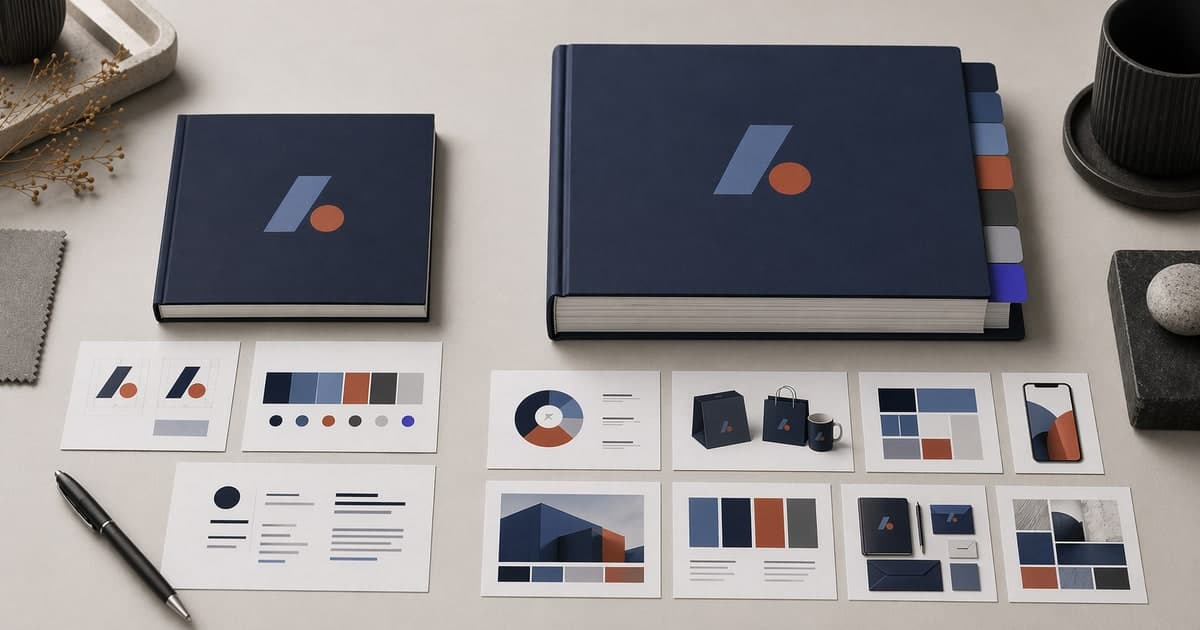
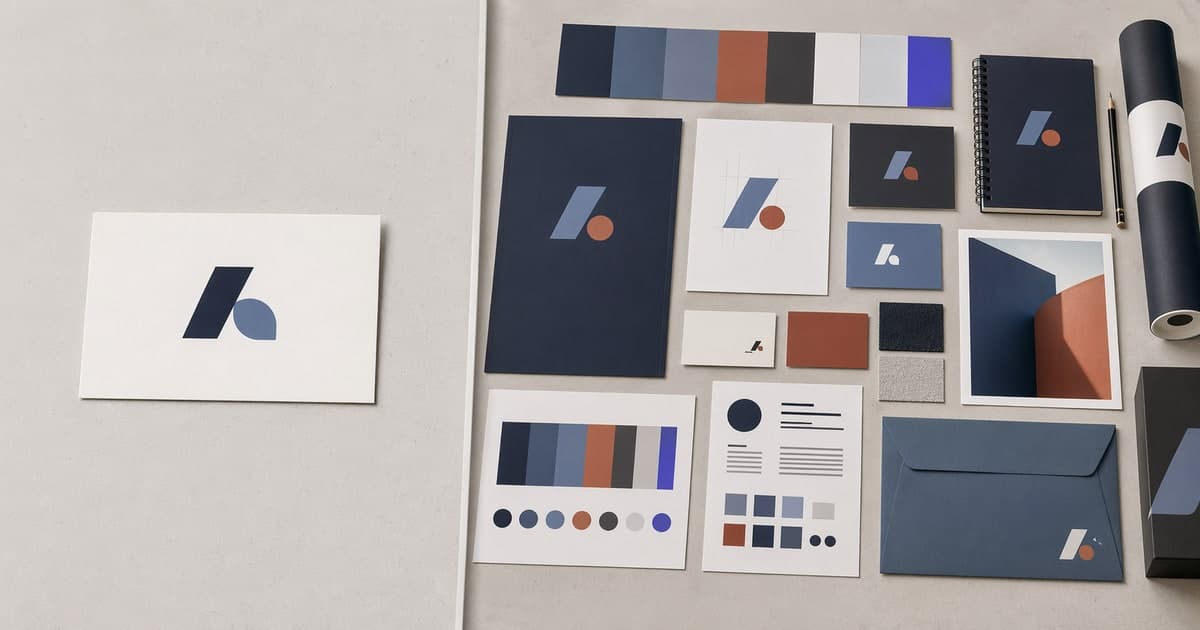
What a brand needs beyond the logo
Positioning
You should be able to answer clearly:
- Who the brand is for
- What problem it solves
- What makes it different
- What core promise it makes
Visual identity
Beyond the logo, define:
- Color palette
- Typography
- Image style
- Composition and spacing rules
- Correct and incorrect logo usage
Verbal identity
You also need to define how the company sounds:
- Brand voice
- Tone by context
- Key messages
- Tagline
Documentation
All of the above should live in a useful document: a brandbook, brand guide, or identity system. If it is not documented, it will not scale.
How to tell if you only have a logo today
Ask yourself:
- Can your team build a presentation without asking you about every detail?
- Do your website, social channels, and sales materials feel coherent?
- Would an external writer know what tone to use for your company?
- Do you have rules for color, typography, and applications?
If the answer is “no” to several of these, you do not have a complete brand yet.
Conclusion
A good logo helps, but it does not replace strategy or a brand system. A brand lives in consistency, clarity, and the ability to repeat itself well across many contexts.
If you only have a logo today, that is not a failure. It simply means you are at the right point to build the rest of the system properly.
Frequently asked questions
Is a professional logo enough to build a strong brand?
No. A logo can look polished and still fail to define positioning, tone, visual consistency, or differentiation. A strong brand needs a complete system.
What should I define beyond the logo?
Brand colors, typography, voice, key messages, visual usage rules, and a clear value proposition. That is what turns a logo into a usable identity.
Create your professional brandbook in 15 minutes
Define your brand so your originality stays consistent when using AI